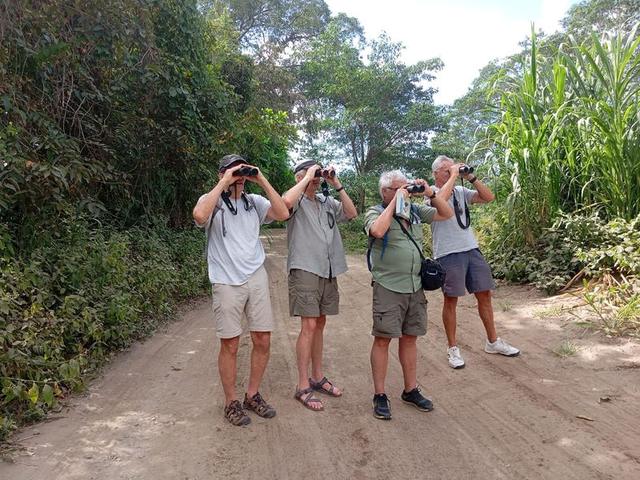
8×42 binoculars
The best all-round choice for Panama: wide, bright view in dark forest and for fast canopy birds. Pick waterproof and fogproof.
View on Amazon Paid linkWhat to bring for birding in Panama: binoculars that can take the humidity, the field guides worth carrying, and the small things that make a hot, wet morning in the forest much easier.
As an Amazon Associate I earn from qualifying purchases. We only list things we use and recommend; the price is the same for you.
Waterproof, fogproof and light enough for a long morning in the heat.
The best all-round choice for Panama: wide, bright view in dark forest and for fast canopy birds. Pick waterproof and fogproof.
View on Amazon Paid link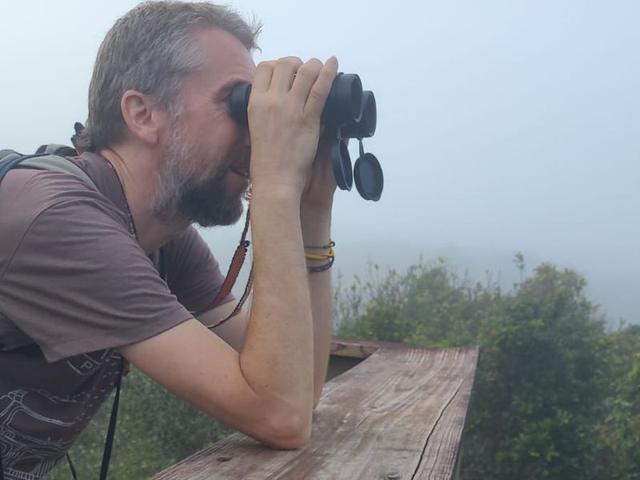
Takes the weight off your neck on long walks and keeps your binoculars ready on the trail.
View on Amazon Paid linkEither works. 8×42 binoculars give a wider, brighter view, which helps in dark forest and with birds that move fast in the canopy. 10×42 binoculars show more detail on distant birds, such as raptors, shorebirds and birds seen from towers. If you only bring one pair, 8×42 is the safer choice in Panama.
Panama is humid even in the dry season, and rain comes quickly. Choose binoculars sold as waterproof and fogproof (sealed and gas-filled), so they don't fog up inside when you step out of an air-conditioned car.
Many forest birds are close: a close focus of about 2 m (6 ft) or less helps with hummingbirds, manakins and antbirds. If you wear glasses, look for eye relief of 15 mm or more so you see the whole view. A harness instead of a neck strap spreads the weight on a long morning.
Carry a lens cloth and a rain guard for the eyepieces. In very humid places, keep your binoculars in a dry bag with silica gel at night to stop fungus growing on the lenses.
For birds high in the canopy, from towers and across the mudflats of the Bay.
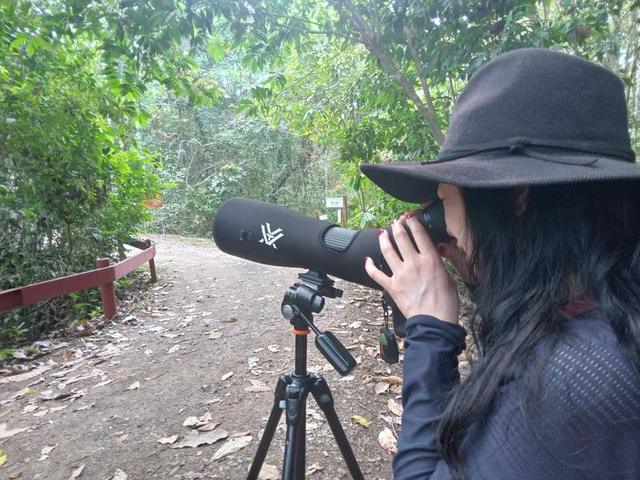
An angled 20–60× scope with a 60–65 mm lens: comfortable for canopy birds and light enough to carry all morning.
View on Amazon Paid link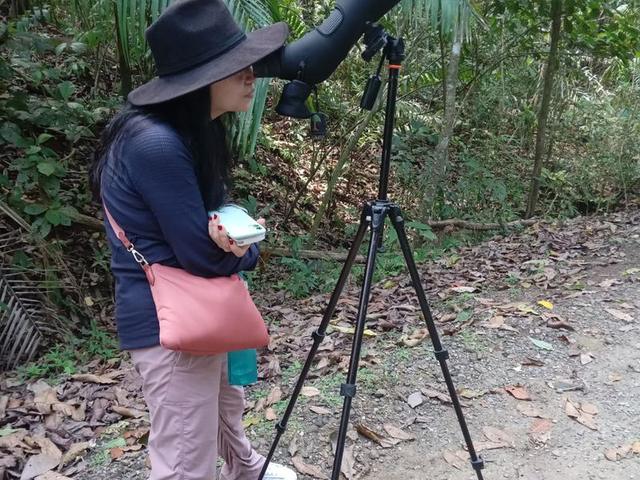
Light, with a long center column and legs that open at different angles for steep, muddy trails.
View on Amazon Paid link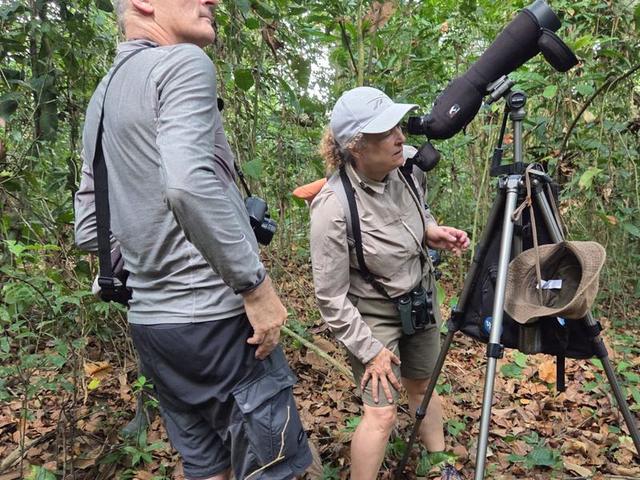
Clip your phone to the eyepiece and take record shots through the scope (digiscoping).
View on Amazon Paid link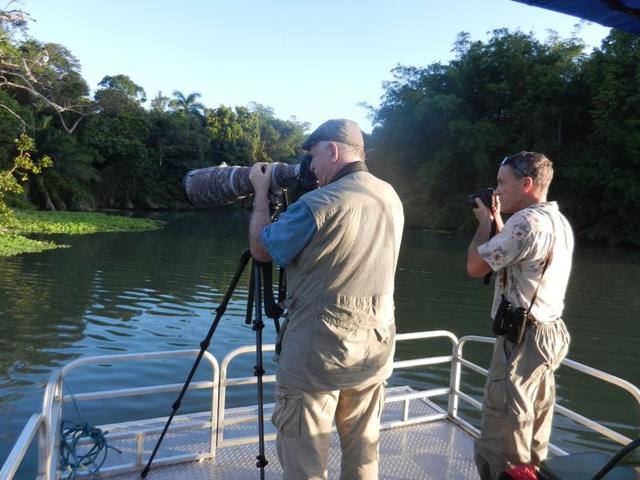
One light camera with a long zoom: the easy way to photograph birds without carrying lenses.
View on Amazon Paid linkMany of the best birds in a tropical forest sit high in the canopy, 30 m (100 ft) or more above the trail: trogons, cotingas, toucans, puffbirds and the tanagers of mixed flocks. Through binoculars they are often just shapes against the sky; through a scope you see every feather. That is why most local guides carry one on forest trails, and also use it at observation towers, lookouts and on the mudflats of the Bay of Panama.
For birding, choose an angled scope, with the eyepiece set at about 45 degrees to the body. You look down into it while the scope points up, so birds high in the canopy are comfortable to watch, the tripod can stay lower, and people of different heights can share it without changing the setup. Straight scopes are easier to aim at first, but tiring for canopy birds.
A zoom eyepiece of about 20–60× is the most useful. Scopes with a 60–65 mm front lens are light enough to carry all morning; 80–85 mm models are brighter in dark forest but much heavier. Choose a waterproof, gas-filled (fogproof) scope, as you would binoculars.
A light tripod with a long center column, so the scope reaches eye level when it points up, and legs that open at different angles for steep, muddy slopes. A smooth head makes it easier to follow a bird along a branch.
A phone adapter lets you take photos through the scope (digiscoping), enough to confirm an identification or keep a record of the bird.
The forest is darker than most people expect. A bridge camera with a long zoom is light and easy; a camera with interchangeable lenses and a 100–400 mm zoom gives better results in low light. Either way, bring a rain cover and spare batteries.
The books we use and recommend for Panama.
Angehr & Dean. The modern field guide, with maps for every species. The one book to bring.
View on Amazon Paid linkRidgely & Gwynne. The classic, with detailed species accounts; some names are out of date.
View on Amazon Paid linkAngehr, Engleman & Engleman. Directions to birding sites across the country.
View on Amazon Paid linkGarrigues & Dean. A good second book for the Chiriquí Highlands.
View on Amazon Paid linkBy George R. Angehr and Robert Dean. The modern field guide to Panama, with maps for every species. The one book to bring.
By Robert S. Ridgely and John A. Gwynne. The classic, with detailed species accounts; some names are out of date.
By George R. Angehr, Dodge Engleman and Lorna Engleman. Directions to birding sites across the country.
By Richard Garrigues and Robert Dean. A good second book for the Chiriquí Highlands, whose birds are shared with Costa Rica.
Merlin Bird ID (free, with a Panama bird pack), the eBird app and our own Panama checklist app all work offline. See apps and sounds.
Light, quick-drying and in neutral colors.
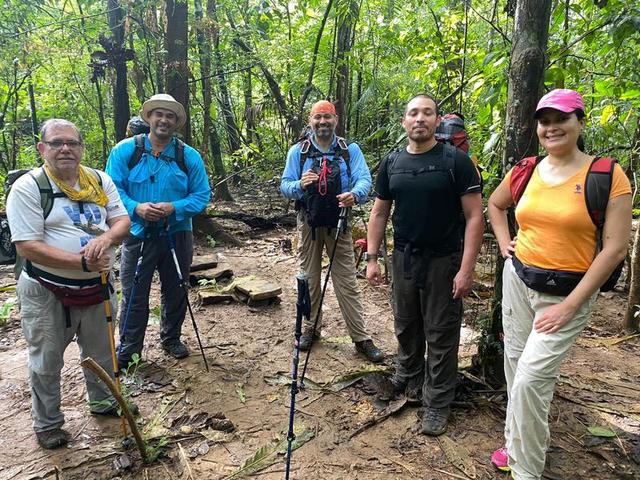
Long sleeves and trousers treated against mosquitoes and chiggers: worth it in the lowlands.
View on Amazon Paid link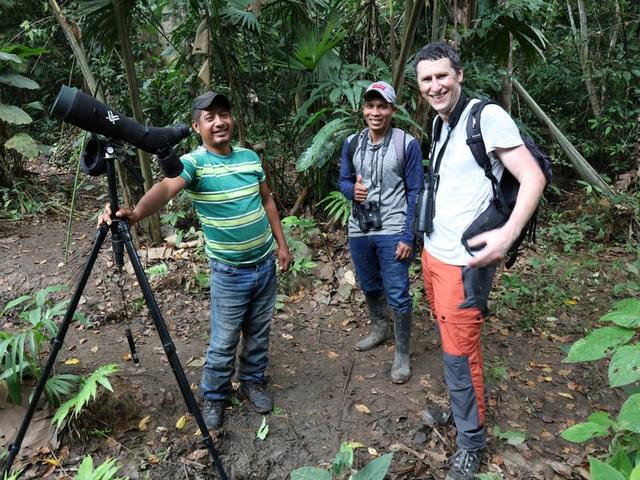
Light hiking shoes are fine in the dry season; on muddy rainy-season trails, waterproof or rubber boots.
View on Amazon Paid link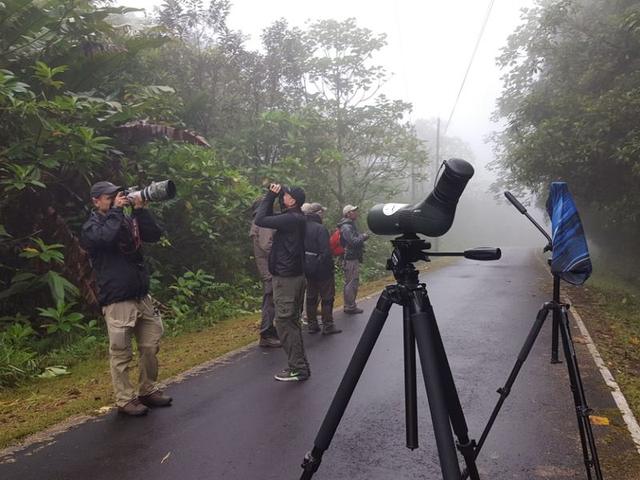
Keeps you and your binoculars dry while you look up. A birder's best friend in the tropics.
View on Amazon Paid link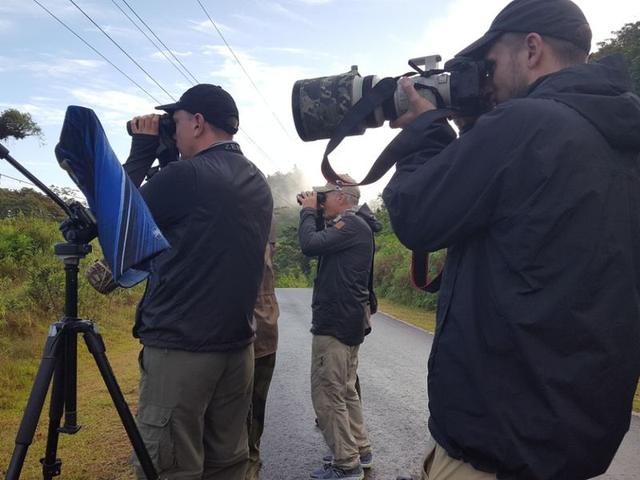
Chiriquí Highlands mornings are cold: a light jacket and a warm hat.
View on Amazon Paid linkLight, quick-drying long sleeves and long trousers in neutral colors (greens, browns, grays). They protect from sun, mosquitoes and chiggers better than shorts. Clothing treated with insect repellent is worth it for the lowlands.
Light hiking shoes for the dry season; waterproof boots or rubber boots for muddy trails in the rainy season.
A small umbrella keeps you and your binoculars dry while you look up. Add a light rain jacket or poncho, and dry bags for your phone, camera and passport.
The Chiriquí Highlands are cold in the early morning: bring a fleece or light down jacket and a warm hat.
For camping trips in the Darién, such as Rancho Frío and Cerro Pirre.
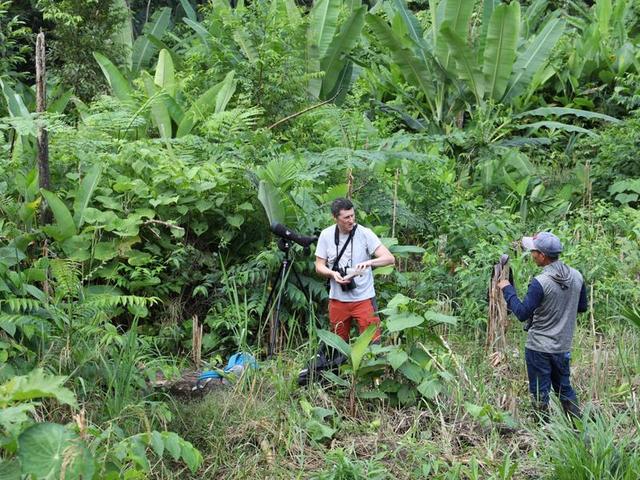
The rainforest bed of choice: off the wet ground, with a zip-closed no-see-um net.
View on Amazon Paid linkGet one longer than the hammock and low on the sides, against wind-blown rain.
View on Amazon Paid linkWide straps protect the bark and adjust quickly between trees.
View on Amazon Paid linkWhere there is open, level ground: fine mesh walls for airflow and a full rain fly.
View on Amazon Paid link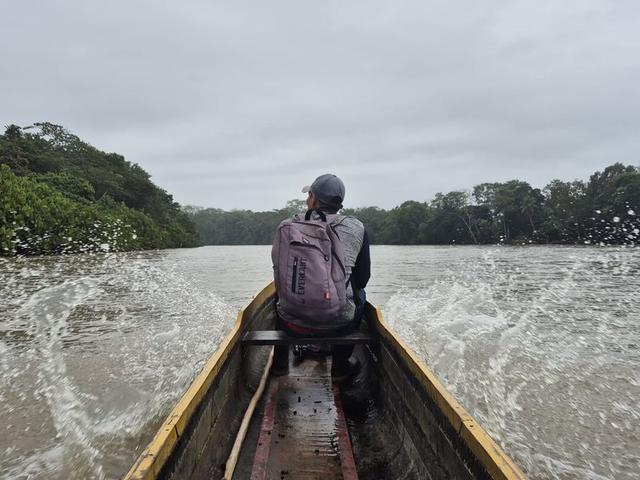
For your sleeping bag, dry clothes, phone and camera, on the trail and in the boat.
View on Amazon Paid linkA filter or purification tablets for camp and long days in the field.
View on Amazon Paid linkIn the rainforest, the hammock is the bed of choice: it keeps you off the wet, uneven ground, away from ants, ticks and snakes, and it only needs two trees. Look for a hammock with a built-in mosquito net of fine no-see-um mesh that closes with a zipper, and a ridgeline that holds the net away from your face. On camping trips in the Darién, such as Rancho Frío and Cerro Pirre, every traveler brings their own.
Hang a separate rain fly above the hammock. Many hammocks come with one, but reviewers often find the included fly too short: it should reach past both ends of the hammock and come low on the sides to keep out wind-blown rain. Guy lines and small stakes hold it tight.
Wide tree straps protect the bark and adjust quickly between trees about 3–5 m (10–15 ft) apart. Practice the whole setup at home: the first time can take an hour, and in camp you may be doing it in the rain or by headlamp.
A tent is better where there is level, open ground and few trees, such as clearings, beaches or camps with covered platforms. For the tropics, choose a light tent with fine mesh walls for airflow and a full-coverage rain fly; a groundsheet under it keeps the floor dry.
Air moving under a hammock cools you more than you expect. In the lowlands a sheet or liner is enough; at higher camps, such as on Cerro Pirre, add a light sleeping bag and a thin pad or underquilt under you. Pack them and a set of dry clothes in dry bags.
A water filter or purification tablets, a headlamp with spare batteries, and a small quick-dry towel. Rubber boots are the standard footwear on muddy rainforest trails.
For owling and early starts; red light disturbs birds less.
View on Amazon Paid linkA refillable water bottle, sunscreen, a hat, insect repellent, a small notebook and pencil, and a power bank for your phone.
A headlamp with a red light setting, which disturbs birds less.
Panama uses the same plugs and 120 volt power as the United States and Canada; visitors from elsewhere need an adapter.
Guided Bird Tours runs private birding tours in Panama with bilingual local guides: day tours from Panama City, the Darién and multi-day trips.