About Panama Bay
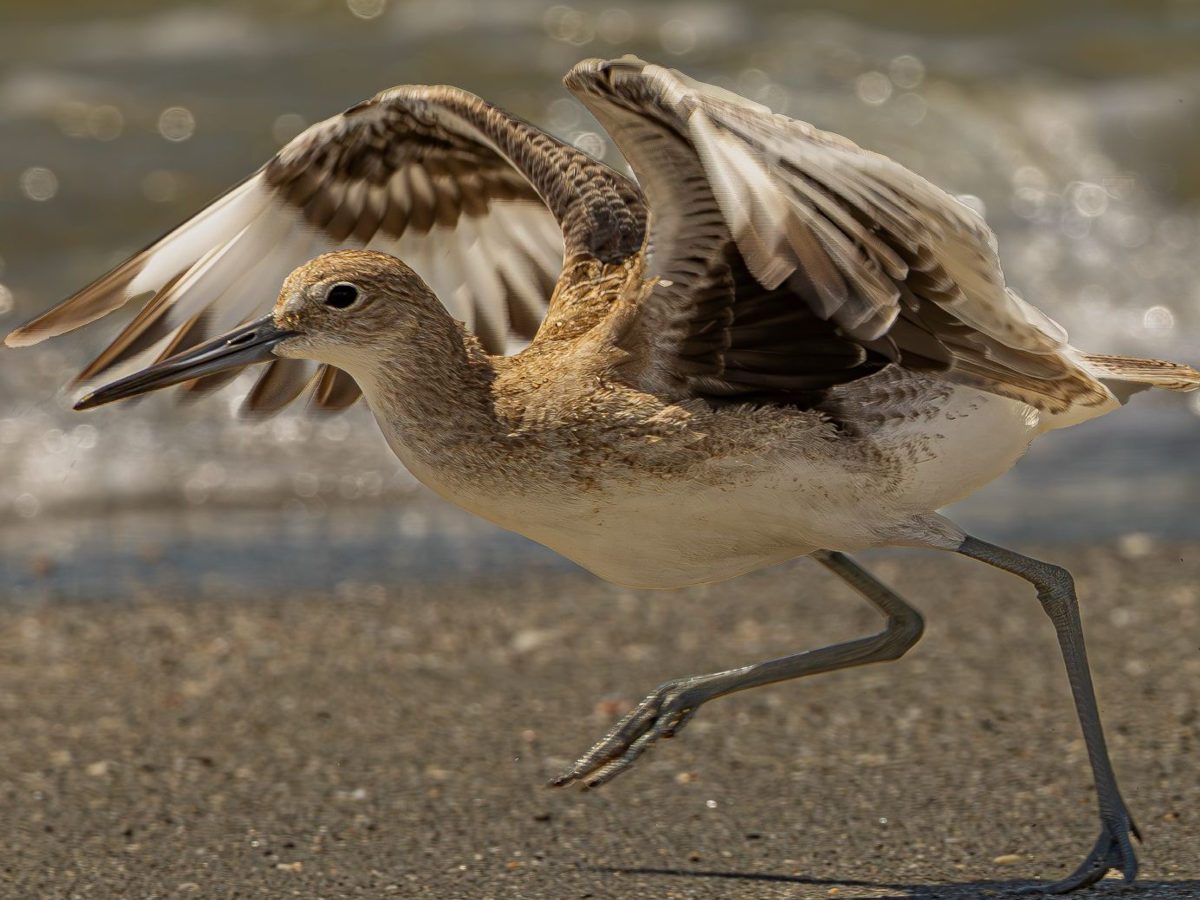
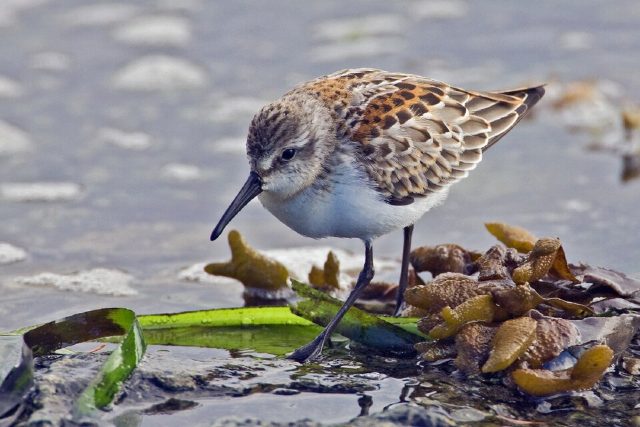
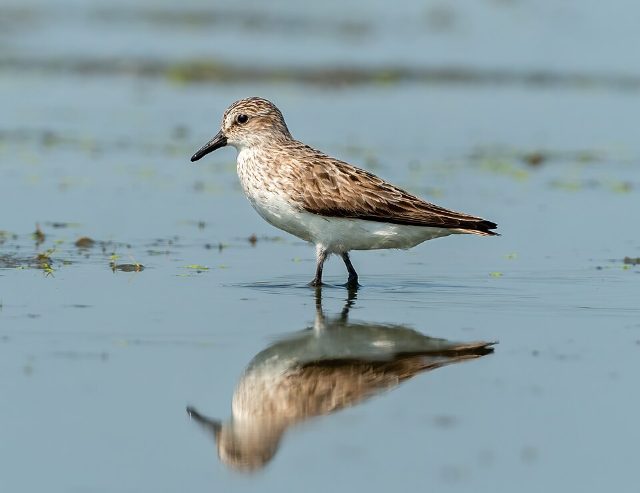
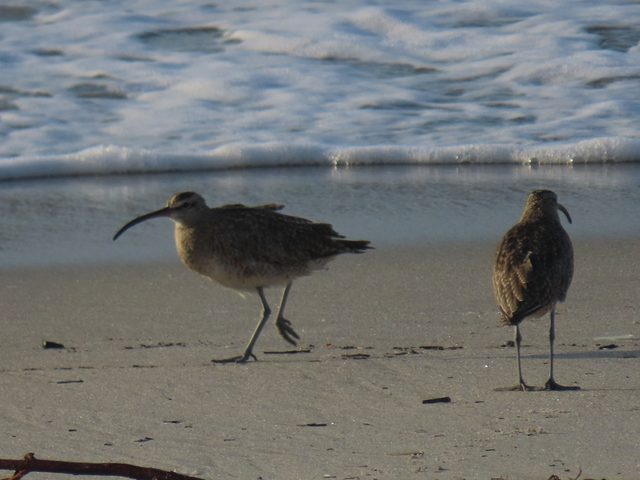
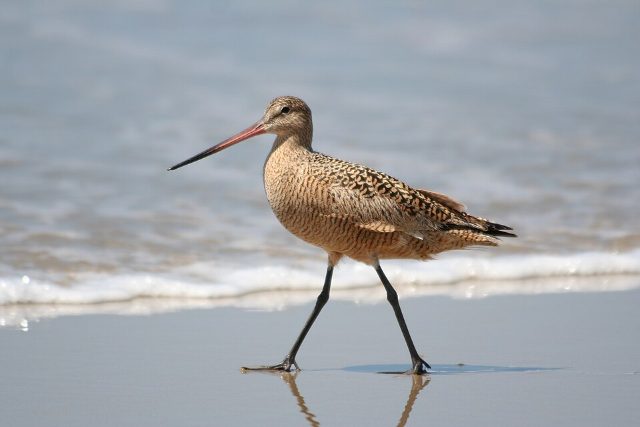
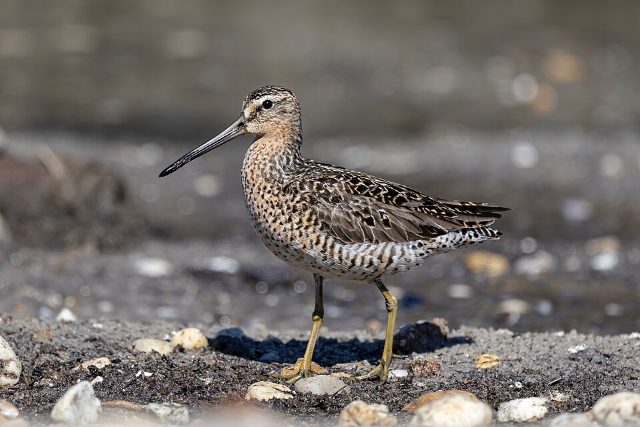
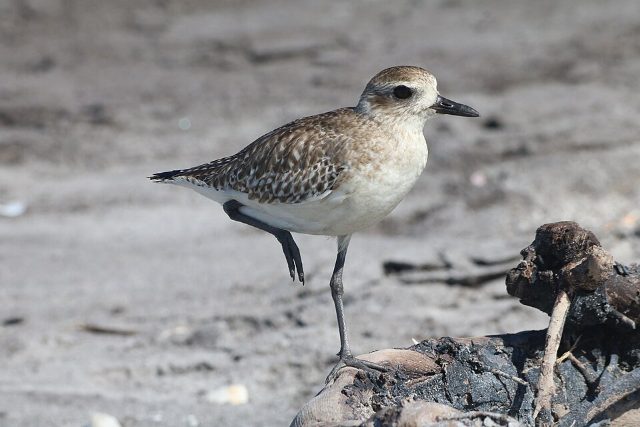
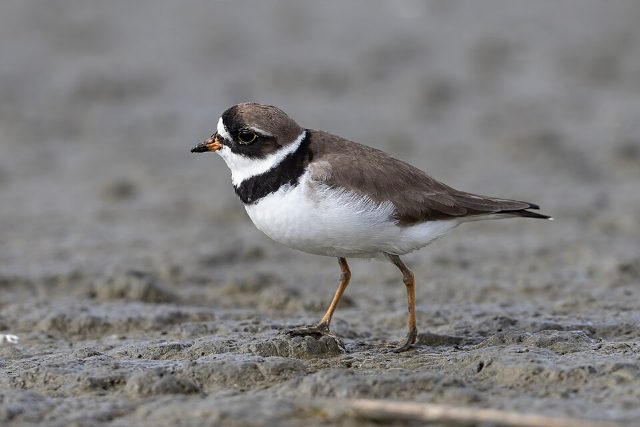
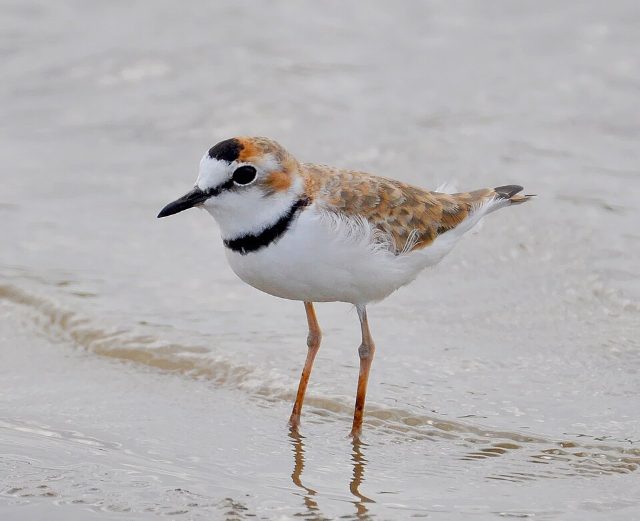
East of Panama City's skyline, the Pacific tide retreats twice a day across vast mudflats backed by mangrove forest. The Upper Bay of Panama is internationally recognized as one of the key sites in the Americas for migrating shorebirds, which stop here to feed on their journeys between North and South America.
Some of the best viewing is right in the city: the mudflats in front of the ruins of Panamá Viejo, the first Spanish city on the Pacific, can be covered in birds as the tide comes in.
Where to bird
Panamá Viejo
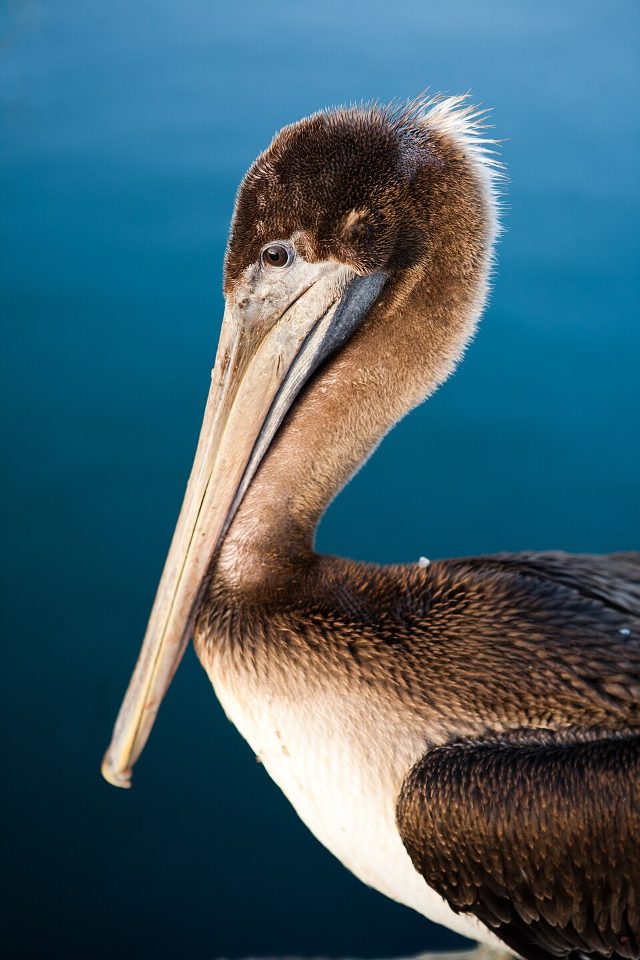
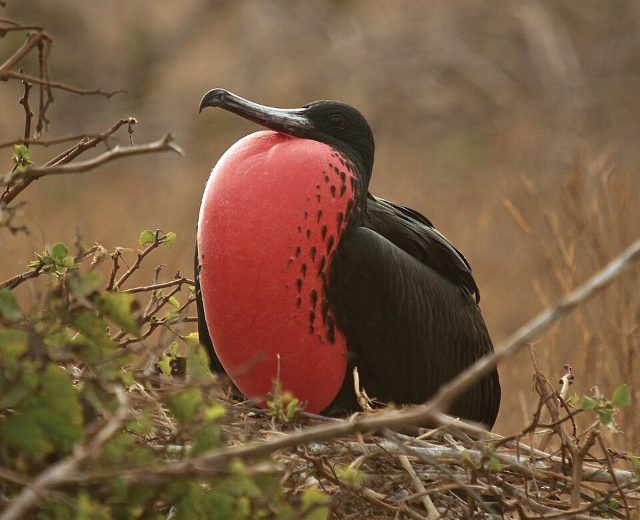
The ruins of the old city overlook mudflats where shorebirds, herons, pelicans and frigatebirds gather on a rising tide.
Costa del Este and Juan Díaz
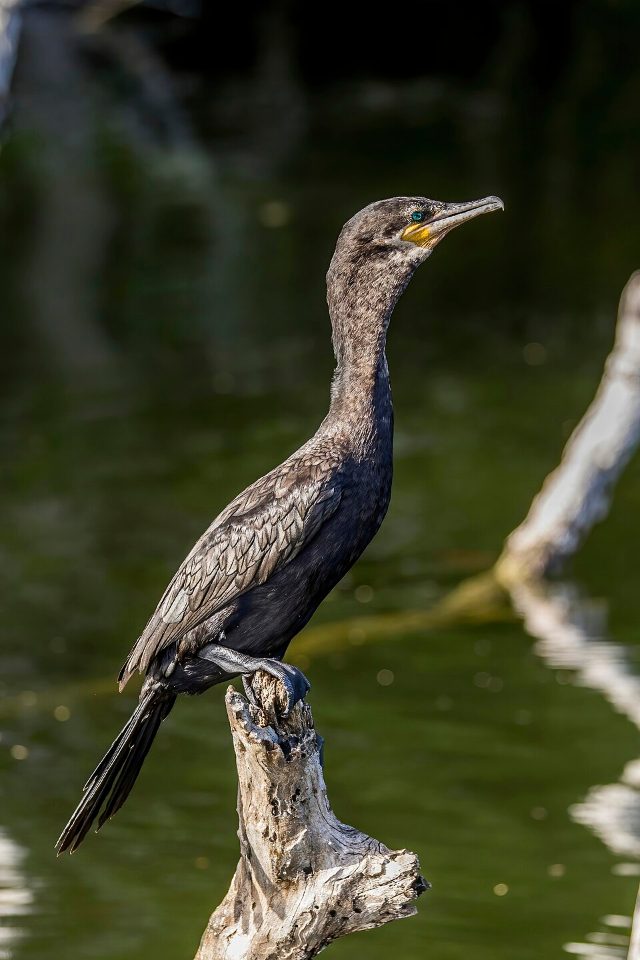
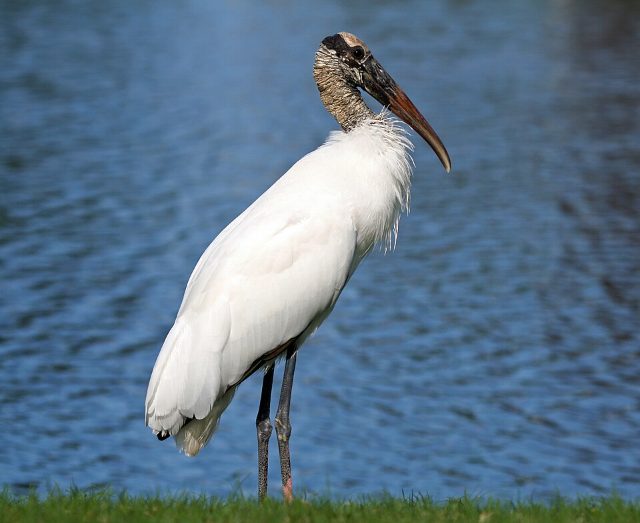
Coastal edges and mangroves east of the city, with shorebirds and mangrove birds.
Amador Causeway
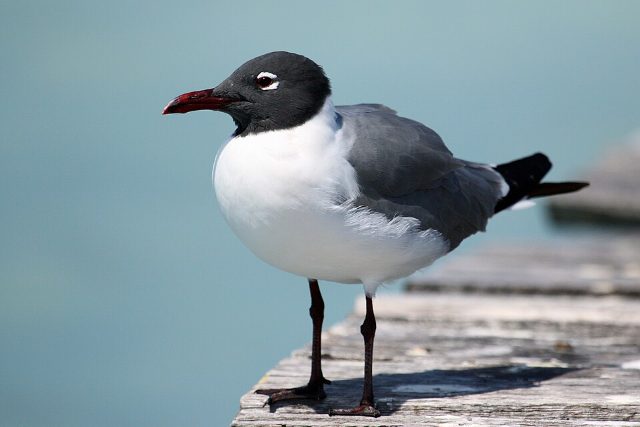
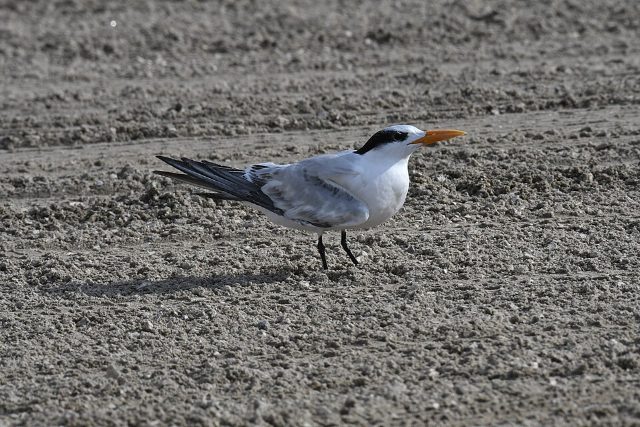
The causeway at the Pacific entrance of the Canal, good for seabirds, pelicans and frigatebirds, and migrants in the trees.
When to go
Shorebirds pass through mostly from about August to November and March to May, and many spend the northern winter here. Timing with the tide matters more than the hour: arrive about 1 to 2 hours before high tide, when the water pushes the birds close to shore.
Getting there
Panamá Viejo is about 15–20 minutes from downtown Panama City by taxi; the other sites are short drives along the coast.
Tips
- Check a tide table before you go: at low tide the birds are far out on the mud. The Panama Canal Authority publishes the official one; use the Amador (Pacific) tide table, the station nearest the city's coast.
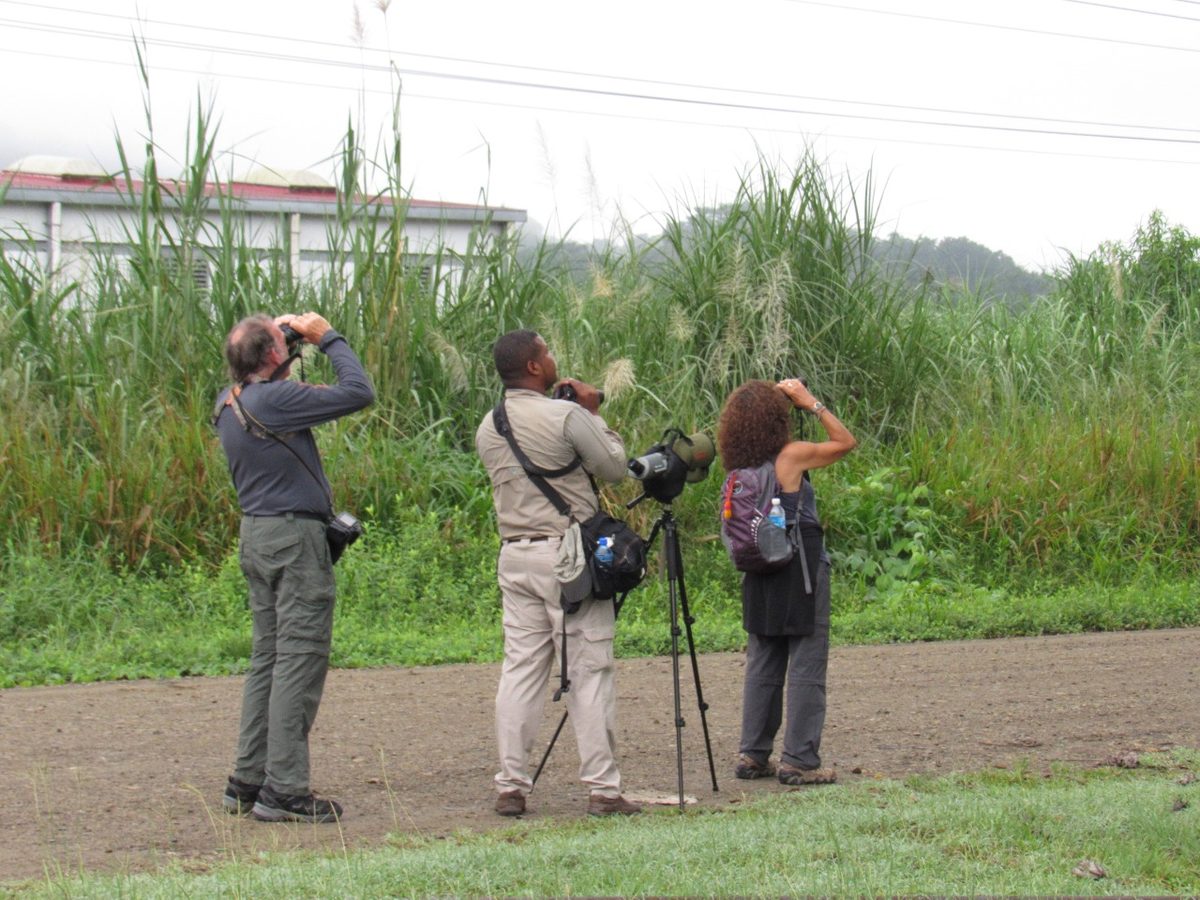
- A spotting scope makes a huge difference here.
- Combine the coast with Metropolitan Park for a full day of city birding.