About Chiriquí Highlands
In western Panama the land climbs to Volcán Barú, the country's highest peak, and to the Talamanca mountains that run into Costa Rica. The towns of Boquete, Volcán and Cerro Punta sit on the slopes in cool, misty highland air, surrounded by cloud forest and coffee farms.
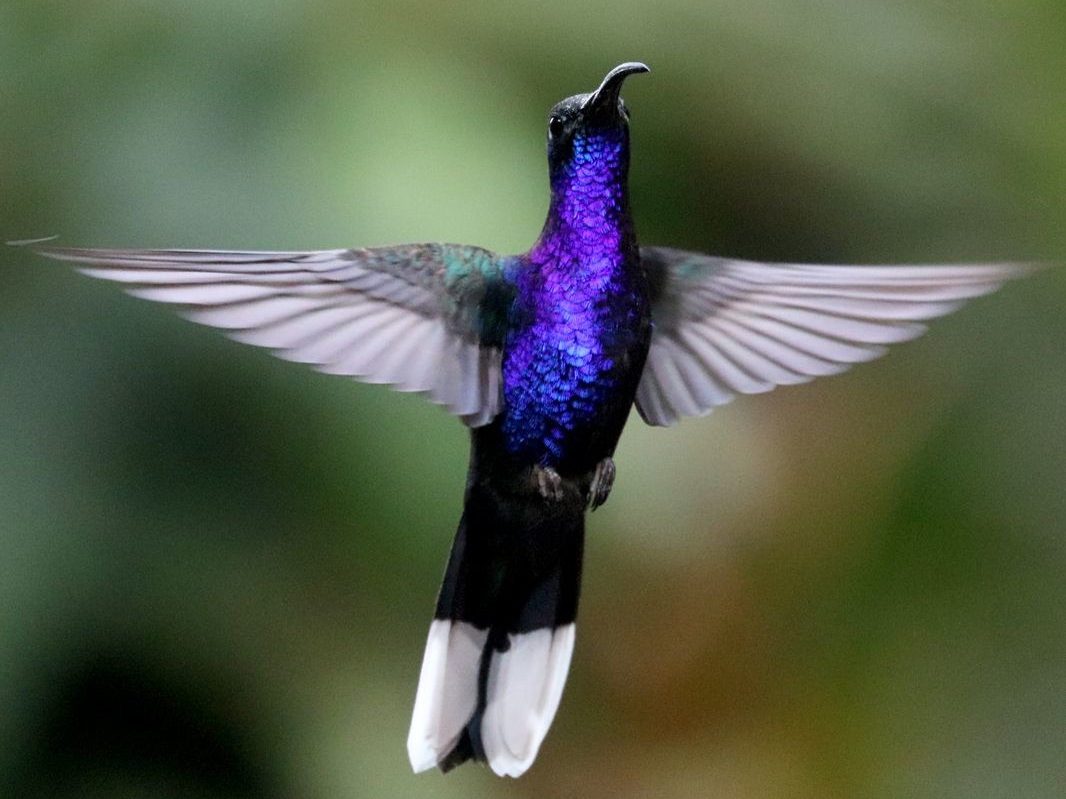
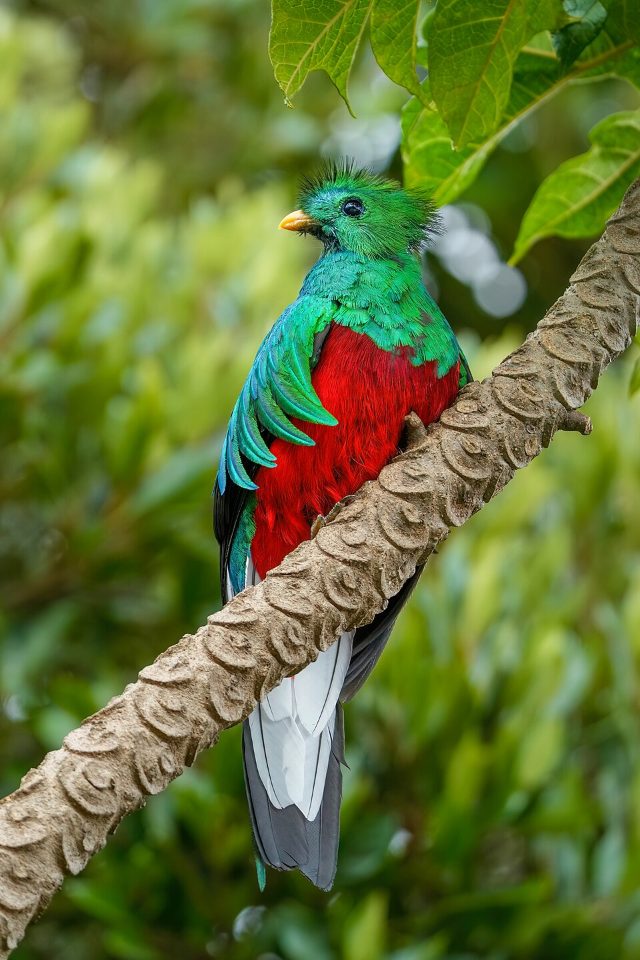
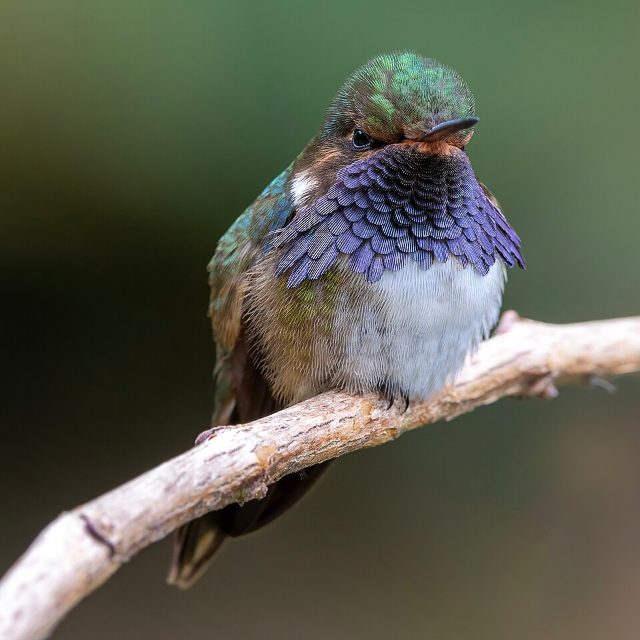
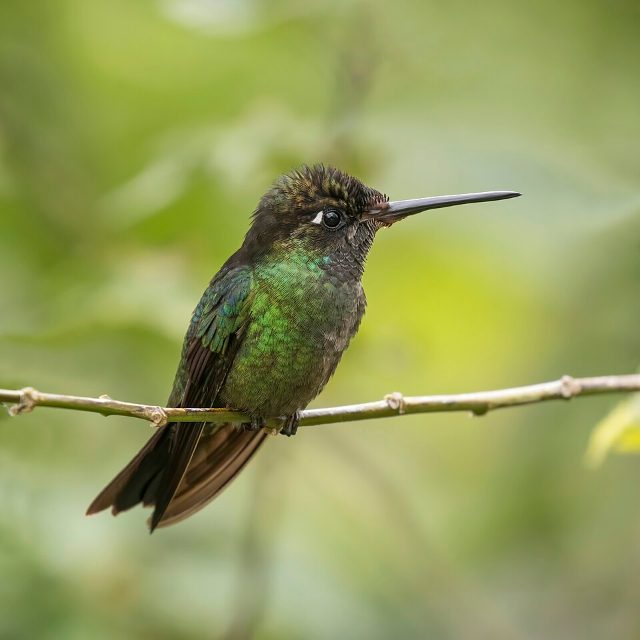
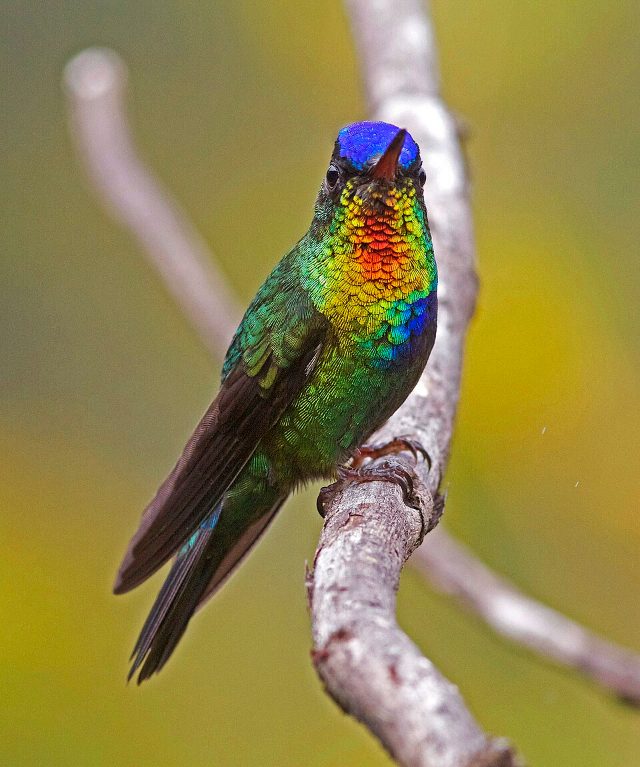
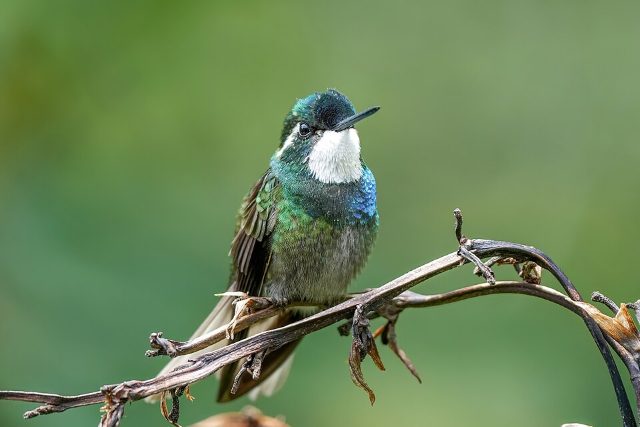
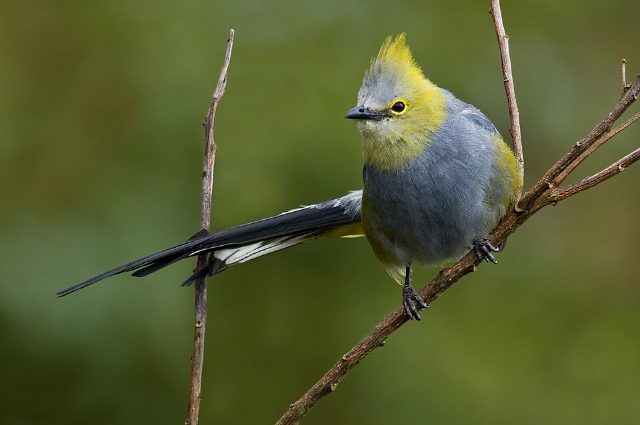
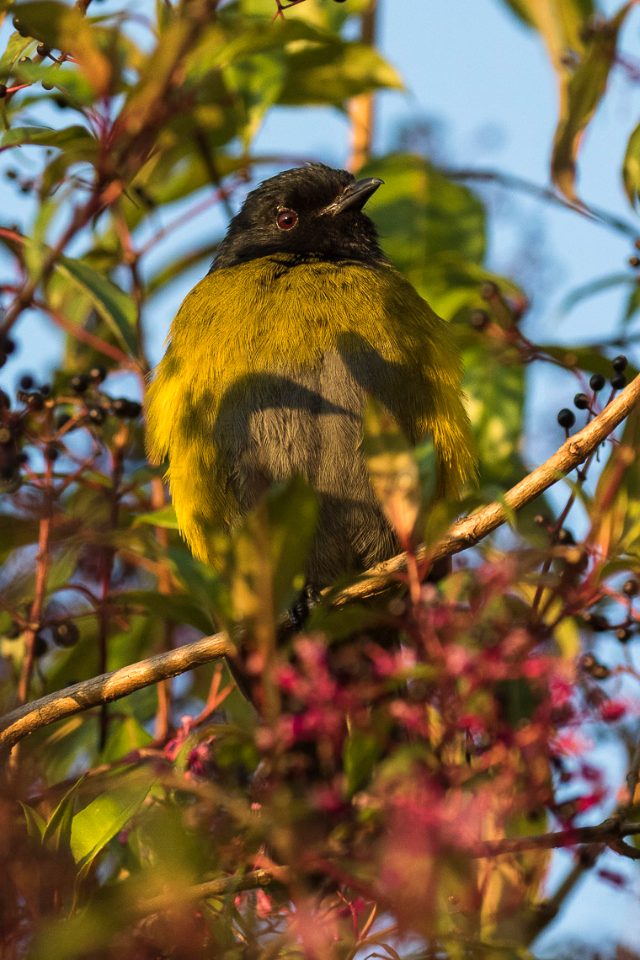
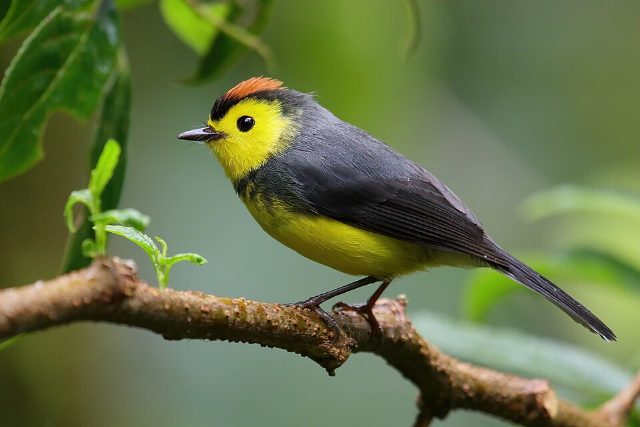
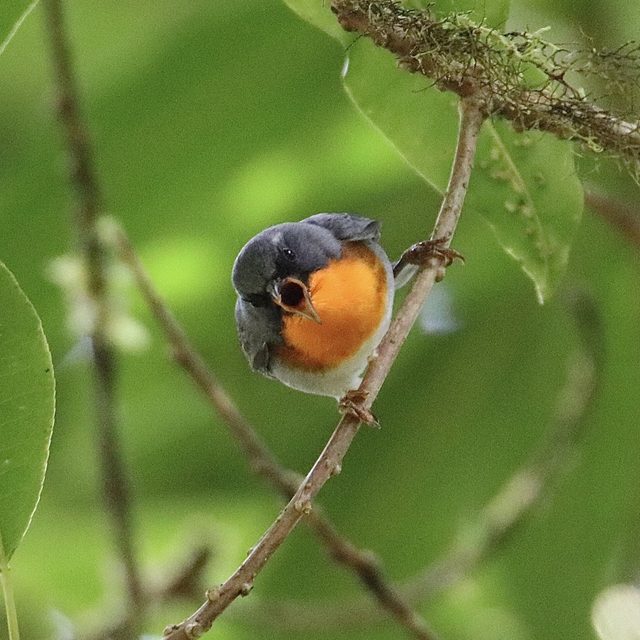
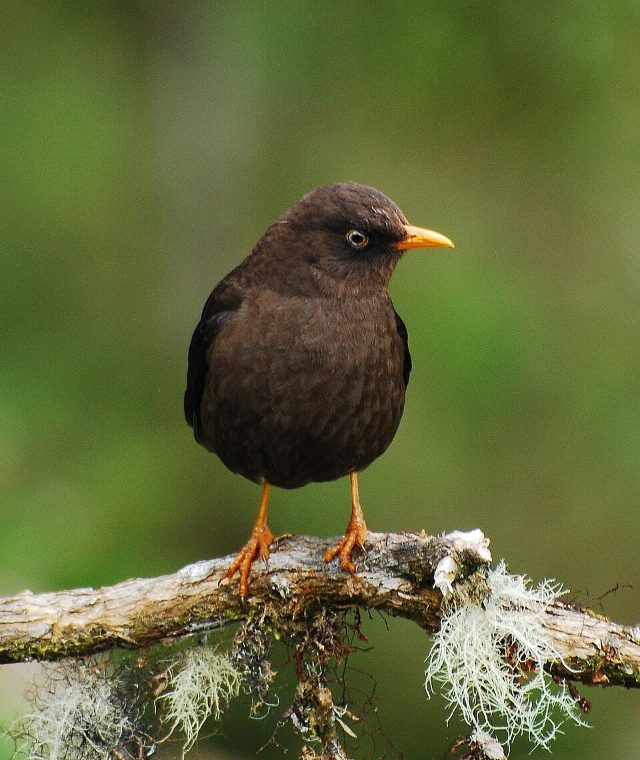
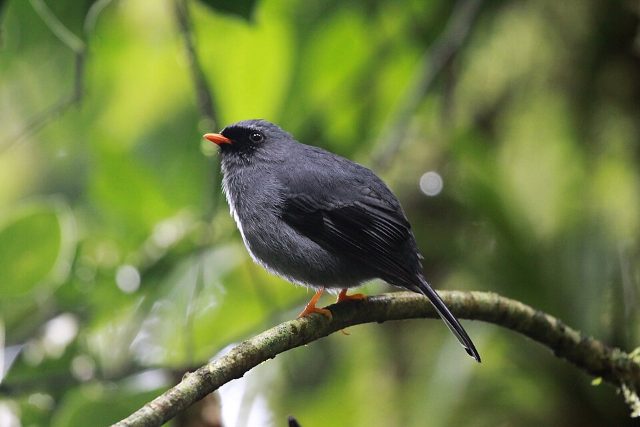
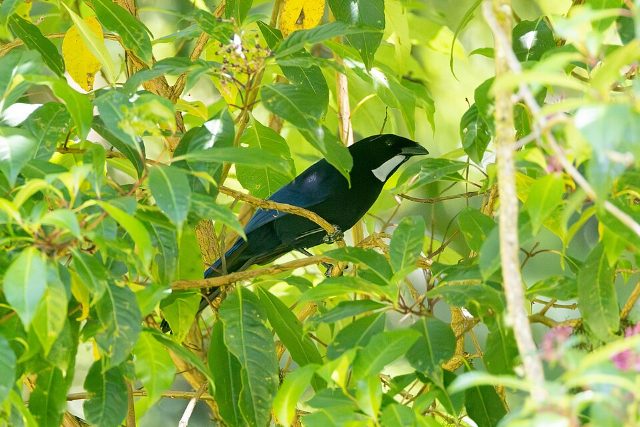
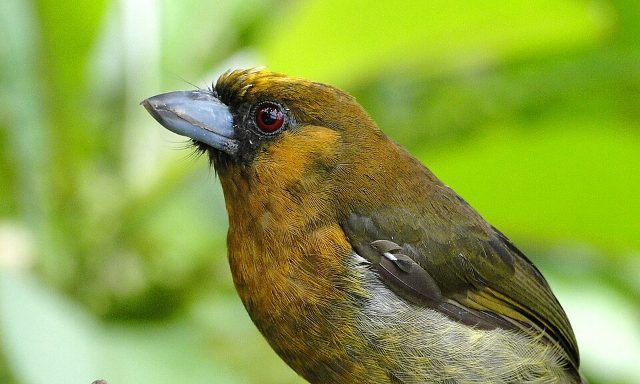
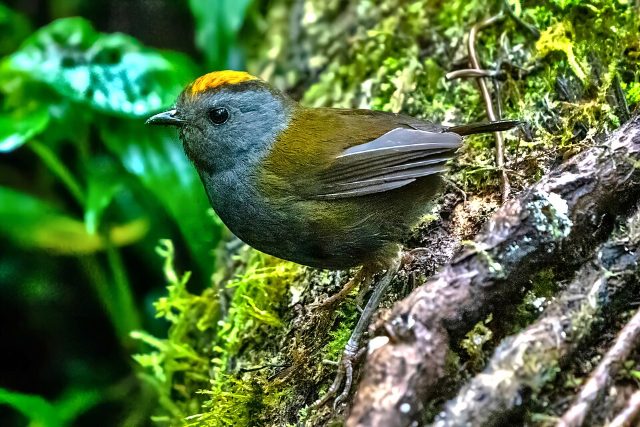
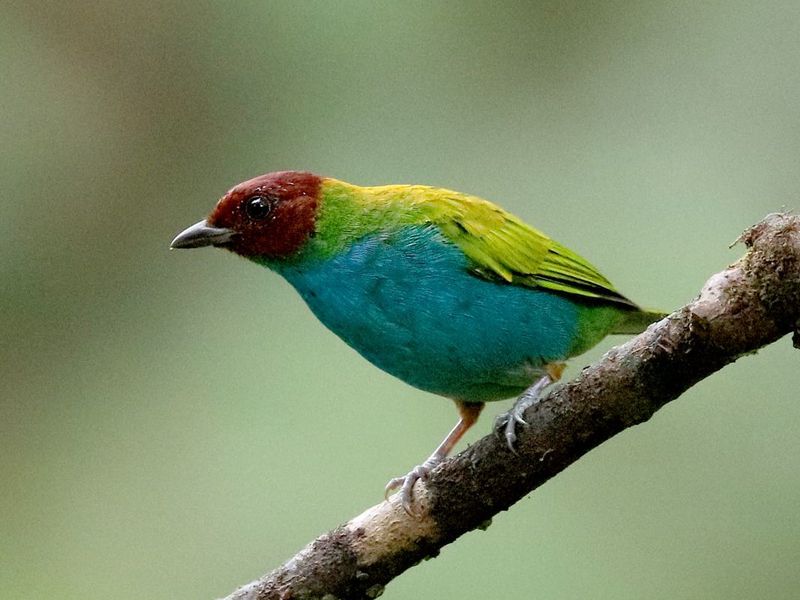
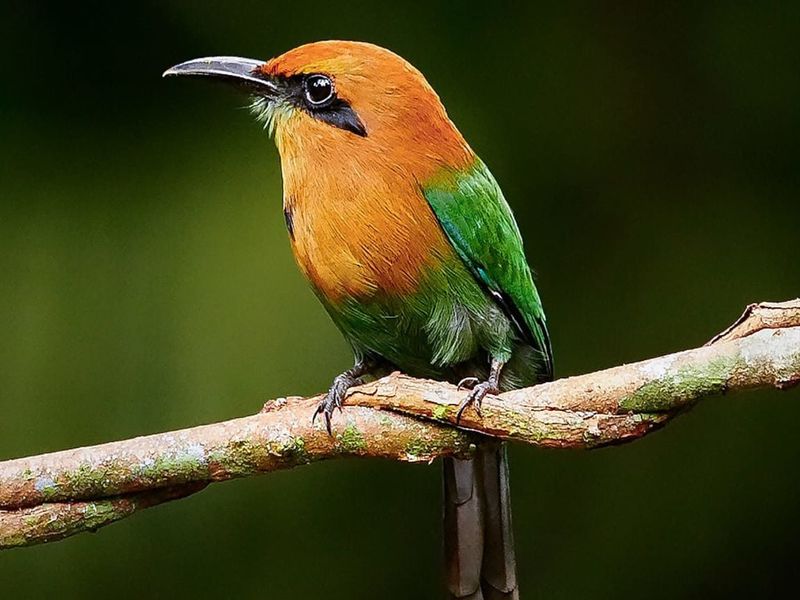
These mountains hold a different world of birds: the Resplendent Quetzal, tiny highland hummingbirds, silky-flycatchers, highland thrushes and many species found only in the mountains of Panama and Costa Rica. A few days here add a long list of birds you cannot see anywhere in central Panama.
Where to bird
Boquete
A coffee town on the eastern side of Volcán Barú, with forest trails and roads around it and quetzals in the nearby cloud forest.
Volcán and Cerro Punta
On the western side of the volcano, the farmland and forest around Cerro Punta are the gateway to La Amistad International Park and the Los Quetzales trail.
La Amistad International Park
A huge World Heritage park shared with Costa Rica. The Las Nubes entrance near Cerro Punta has trails into the high forest.
Volcán Barú National Park
The upper slopes of the volcano, reached by rough roads and long trails, for the highest-elevation birds.
When to go
The dry season, roughly December to April, is the most comfortable; the Resplendent Quetzal is usually easiest to see from about February to May, when it is nesting and calling. Afternoons often bring clouds, wind or rain: bird the mornings.
Getting there
Fly from Panama City (Albrook) to David, about an hour, or drive 6–7 hours on the Pan-American Highway. From David it is about 45 minutes to Boquete and about an hour to Volcán and Cerro Punta.
Tips
- Bring warm layers: early mornings can be cold, especially above 2,000 m.
- Some trails are steep and long; the Volcán Barú summit is a serious hike or a rough 4x4 ride.
- Plan three or four days to cover both sides of the volcano.